Thank you in advance for anyone who reads this! I am going to try to not only blog sometimes about daily life but I will try to educate and raise awareness about lyme disease also.
Today is my youngest sons 11th birthday. Wow, how time flies! We had a nice dinner with family at Olive Garden and I made a yummy chocolate cake. I think he had a great day and was in a very good mood.
Yeah cause lately he has been very moody! I am not sure if this is lyme, his aspergers or early puberty. Or yikes for me if it's all 3 at once!!
I am going to find some good information to post here about the Psychiatric part of Lyme disease. I find it quit interesting and I think most people don't even know there is a link. I will also post some info about the cognitive problems it causes.
********************************************************************
Copy and past the below links into your internet browser to read more....I will post a paragraph from each link...
This is a really good brochure explaining the psychiatric side of lyme. I gave a copy to my own therapist before.
http://www.ilads.org/lyme_disease/Psychiatric_Brochure_08_08.pdf
"At any time after a tick bite, patients may also exhibit cognitive symptoms such as memory and concentration impairments and word-finding difficulties, ADHD-like symptoms, learning disabilities, OCD, crying spells, rages, depression/bipolar disorder, panic/anxiety disorders and psychosis - all may be caused or exacerbated by Lyme disease."
http://www.publichealthalert.org/Articles/pjlanghoff/psychiatric%20lyme%20disease.htm
"Psychosis, hallucinations, dementia, delusions, paranoia, rage, aggression, suicidal thinking, anxiety attacks, ADD, ADHD, OCD? words that would make any patient, physician, family member or researcher recoil when reading about the possibility that Lyme disease can cause one or more of these or other psychiatric issues."
http://www.lymeinfo.net/Shea-Leventhal.pdf
The cognitive problems associated with Lyme disease and other tick-borne illnesses include difficulty with:
1) attention and concentration,
2) speed and efficiency of processing information,
3) learning and memory,
4) auditory processing and language expression,
5) planning and organization and
6) multitasking.
These cognitive symptoms have a significant impact on learning and school performance.
There are also a lot of neurological problems associated with lyme disease. Once it gets into your brain and your nervous system it can cause a whole list of problems. I will post some of this information into future blogs so check back again.
Thursday, February 25, 2010


Wednesday, February 24, 2010
Lyme Disease Awareness and why I am blogging
I used to blog on my myspace page when I was first diagnosed late 2008 and early 2009. I have copied my blogs from myspace and posted them into this new blog that I am starting.
Read the "About Me" section about why I am doing this blog.
I also want to raise awareness about lyme disease and assure you that it DOES exist in the state of Ohio. No matter what doctors are telling you.
Lyme Disease is not heard of in the public enough so many people either don't know what it is or think it is rare. It is not rare at all! Ticks are everywhere and can even be in your own back yard. Yes even in the state of Ohio. Ticks don't know where the borders ends and are very common in PA.
First discovered as Juvenile Rheumatoid Arthritis in 1975 in Lyme, Connecticut.
It is being misdiagnosed as Rheumatoid Arthritis, Multiple Sclerosis, Lou Gherig's Disease(ALS), Lupus, Chronic Fatigue Syndrome, Fibromyalgia, Autism and others.
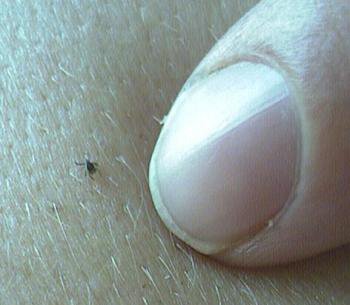
You can get bit and not even know it. They can be a small as a poppy seed and they numb the area of the bite. Less then 50% of people even remember a bite.
There are 100+ symptoms because the bacteria can be anywhere in your body. It can go deep into your tissues and organs and effect your nervous system, your brain and memory, your muscles.
Some people are so sick they are in wheelchairs & some are dying! This disease can be treated with antibiotics if it it caught early. If it is caught late then it needs many months or years of treatment and could stay with you forever. The Lyme bacteria can hide deep in the tissue, muscle, organs and bones so that antibiotics can not kill it.
It is underdiagnosed because many doctors do not know enough to test for it. Or they are using the an outdated test by a lab that doesn't specialize in testing for lyme disease. There is a lab called Igenex that does a more accurate test but doctors are not using it or are not aware.
In the mean time many people are sick and don't know why! Then when they finally find a Lyme doctor they are denied long term treatment. Why? Because doctors are following treatment guidelines that say chronic lyme doesn't exist. Well I am proof that it does!
Please watch the lyme documentary called "Under Our Skin". I have a copy if anyone would like to see it to understand more about the seriousness of the illness. Also to understand why we have troubles finding a diagnosis, getting treated, finding doctors and getting insurance to pay!
Read the "About Me" section about why I am doing this blog.
I also want to raise awareness about lyme disease and assure you that it DOES exist in the state of Ohio. No matter what doctors are telling you.
Lyme Disease is not heard of in the public enough so many people either don't know what it is or think it is rare. It is not rare at all! Ticks are everywhere and can even be in your own back yard. Yes even in the state of Ohio. Ticks don't know where the borders ends and are very common in PA.
First discovered as Juvenile Rheumatoid Arthritis in 1975 in Lyme, Connecticut.
It is being misdiagnosed as Rheumatoid Arthritis, Multiple Sclerosis, Lou Gherig's Disease(ALS), Lupus, Chronic Fatigue Syndrome, Fibromyalgia, Autism and others.
You can get bit and not even know it. They can be a small as a poppy seed and they numb the area of the bite. Less then 50% of people even remember a bite.
There are 100+ symptoms because the bacteria can be anywhere in your body. It can go deep into your tissues and organs and effect your nervous system, your brain and memory, your muscles.
Some people are so sick they are in wheelchairs & some are dying! This disease can be treated with antibiotics if it it caught early. If it is caught late then it needs many months or years of treatment and could stay with you forever. The Lyme bacteria can hide deep in the tissue, muscle, organs and bones so that antibiotics can not kill it.
It is underdiagnosed because many doctors do not know enough to test for it. Or they are using the an outdated test by a lab that doesn't specialize in testing for lyme disease. There is a lab called Igenex that does a more accurate test but doctors are not using it or are not aware.
In the mean time many people are sick and don't know why! Then when they finally find a Lyme doctor they are denied long term treatment. Why? Because doctors are following treatment guidelines that say chronic lyme doesn't exist. Well I am proof that it does!
Please watch the lyme documentary called "Under Our Skin". I have a copy if anyone would like to see it to understand more about the seriousness of the illness. Also to understand why we have troubles finding a diagnosis, getting treated, finding doctors and getting insurance to pay!
Understanding Chronic Illness (posted 04/28/09)
Tuesday, April 28, 2009
Understanding Chronic Illness
(Reposted from a friend... edited a little)
This made me cry! If I could have come with such great words, this is actually what I would say to my friends and family!
Amy
****************************************************************
But You "LOOK" Good! The wrong thing to say to someone with a chronic illness.
What Is A Chronic Illness, Anyway?
A chronic illness is a disease or disorder that a person has to cope with on a continuous basis. Many people become so ill, they are unable to work and are forced to give up activities they have always enjoyed. Often their illness goes undiagnosed for years, leaving thousands of people frustrated, depressed and without answers to why their bodies will not cooperate with their desires.
But, They "LOOK" Fine! How Can They Be Ill?
Many chronic illnesses such as: Arthritis, Chemical Depression, Crohn's Disease, CFIDS, Cystic Fibrosis, Diabetes, Fibromyalgia, Heart Disorders, Hypothyroidism, IBS, Lyme Disease, Lupus, Multiple Sclerosis, Neurological Disorders, Osteoporosis, Parkinson�s, RSD, Women's Chronic Disorders and many, many others cannot be seen with the naked eye, but are nevertheless persistently keeping the person from enjoying life the way they once knew (this is only a sample of the dozens of illnesses which can be debilitating and not intended to be a complete list)!
Unfortunately, their families and friends are rarely supportive and understanding, because they do not see a broken bone or bleeding head to confirm the complaints. However, do not expect to see a disease that lives below the skin, because most illnesses are invisible until the person has had chemo or organ failure! Your friend or family member needs you to believe what they are saying is true, without judgment or question.
So, They Have "Good" & "Bad" Days, Right?
Actually, not everyone with a chronic illness has the same symptoms or degree of symptoms; yet, there are basically three stages in any chronic illness:
1) THE EARLY STAGE: This person may notice occasional symptoms or lack of energy. They start experiencing setbacks from activities which previously never took a thought. If diagnosed in this stage, which is rare, many can get help from their doctors and proper nutrition to cure or prevent further progression of the disease. This person has mostly "good" days with occasional "bad" days.
2) THE MIDDLE STAGE (or the Relapsing/Remitting Stage): This person may have frequent bouts of symptoms and is forced to make limitations for themselves in order to avoid extreme fatigue and relapse of illness. They reluctantly begin discovering that the simple things they used to enjoy, now must be done with care or sacrificed completely. In this stage, some can lower the frequency of relapse and progression of the disease with help from their doctors and proper nutrition. This person has both "good" and "bad" days, depending on activity and stress.
3) THE LATE STAGE (or the Chronic/Progressive Stage): This persons disease has progressed to the point where it does not remit. They live each and every day with symptoms that feel much like having the stomach flu, complete with extreme to unimaginable fatigue, muscle aches, weakness, nausea, cognitive difficulties, dizziness and/or pain.
When they push themselves to do what used to be easy, like dusting a piece of furniture, going to a relatives house or doing a load of laundry, they pay a high price, because their symptoms worsen to an unbearable level for days and even months. In cases like Multiple Sclerosis, the treating drugs available are affective only for persons in stages 1 and 2. This person does not have "good" days, only "bad" days and "horrific" days.
But, What If They "Give In" To The Illness?
When a young ice skater named Nancy Karrigan was assaulted and suffered a leg injury, she faced the possibility of losing all of which she had dreamed; the whole world cried with Nancy, because it could have meant the end of her skating career! Yet, when a person loses their job or is forced to give up their career due to illness, for some reason, people often treat them like they are choosing to do so; and, they are often insensitive to the fact that the sufferer has lost all for which they have worked, planned and hoped for their future.
Most people do not "give in" to illness; in fact, it is ingrained in our nature to fight to survive as hard and as long as humanly possibly. If you believe that your loved one is "giving in" to the illness, because they have given up their usual activities, this is just your perception of how they are handling their limitations.
When a person first experiences the effects of a chronic illness, they have a fantastic attitude about conquering it; they feel strong and invincible to its grip. Even if the disease progresses, they will continue to fight for their right to live the way they planned their lives to be; and, they will stay persistent in the battle until their bodies force them to make limitations.
Creating limitations for oneself is one of the hardest things a person can do. It goes against everything we are and everything we ever hoped to be. No one wants to be sick and no one ever chooses to give up those things in life which bring such joy. Yet, these limitations are mandatory in managing a chronic illness; so, respect their new boundaries by acknowledging their losses and supporting their need to say, "No."
We, as chronic illness sufferers, do not want to give up; we want to laugh, smile, look our best and enjoy life; after all, it is our incredible courage, perseverance and persistence to fight for our lives which make our painful disabilities seem invisible to the naked eye.
Well, I Still Don't Understand!
At least once in your life, you have probably experienced having to stay home from work or school, because you were too sick to go; incidently, I have yet to meet someone who has a cold or the flu tell me they are having the time of their lives and enjoying every minute of it! Or, you may have been hurt in an accident and were forced to give up activities you loved for weeks or even months; so, you know how stressful, depressing and frustrating being unable to do what you want to do can be!
Now, when I refer to being sick, I am not talking about feeling just a little "under the weather" or just not "up to" going to work that day. I am talking about being so sick you can barely sit up or talk, having a fever that makes every muscle ache and your bones feel like they are being crushed. Then, when you try to get up to go to the bathroom, your head pounds, your body feels like it weighs a ton and you become dizzy and nauseous.
Just imagine feeling that way every single day, week after week and year after year.
True, some chronic illness sufferers have a few "good days" in between, but many do not have any at all! So, if you see them out and smiling, does that mean they are having a "good day?" Not necessarily! Many times they cannot wait for a "good day" to get out, because they do not have them; thus, they make the sacrifice, sitting there in horrible agony and knowing they will pay dearly for it later!
No human being can be at peace with being sick day in and day out! In fact, most people become very frustrated and impatient after just a few hours; then, if it lasts a few days, they become panicked and angry about missing work, school or other activities; next, they become depressed and act like a week out of their busy lives is the end of the world! Yet, they often treat their loved ones like losing months and years out of their lives is no big deal! So, why would you expect your loved one to be happy with losing years of their lives, when you cannot stand to even lose a few days?
It is true, you will never fully comprehend what it is like to be chronically ill, with all of the loss and pain it poses. You will never know what it is like to feel horrible every day and you will never have a grasp at what it is like to watch your lifetime dreams come crashing down forever.
So, stop using the excuse that you do not have understanding and start focusing on whether or not you have compassion!
In all, your loved one just wants you see their courage in enduring a life of feeling sick, achy and exhausted all of the time; and, you have the capacity to know you would not want to feel this way every day yourself! You know how horrible it is to be sick and forced to put your life on hold for a while, so why dont you tell them how amazed you are at their strength and perseverance!
It Seems like I Am Always Saying The Wrong Thing!
What can sometimes be even harder to bear than the illness itself, is feeling alone in the daily struggle and mourning of lifelong dreams. As pieces of oneself die off bit by bit, isolation consumes them when others refuse to affirm their pain. By repeatedly trying to "cheer them up" and make them see the "bright side" you are not validating their pain, but instead saying, "I dont want to hear the truth" or "your losses dont matter." On the other hand, if you acknowledge their losses, they will no longer be compelled to gain your belief by having to explain their situation over and over again.
Resist the temptation to make a visual diagnosis by saying, "gee, you look like youre feeling good today" or "hey, you must be doing well." They may look like they are feeling well, because there is joy in their face from seeing you; however, your comment will only make them realize they are alone in their battle, since you are evidently unaware of their insurmountable hurdles.
In other words, by rebutting their answers with, "But you LOOK good," your friend really hears, "But, I dont believe you, because you look fine to me.
" Instead try, "I am so glad to see you," "wow, I cant imagine what you go through, you are amazing!" "you look nice today," or "how can I pray for you?"
Encourage your loved one by affirming your trust in them, loving them and showing them that they are still just as valuable to you even if they can no longer do the things they used to do; your willingness to acknowledge their losses will give them the strength and positive attitude they need to fight the illness, instead of wasting their energy fighting with you to believe. They are not seeking your pity or sympathy, they simply want your compassion; some will need your help, just listen, they will tell you how.
We, as chronic illness sufferers, do not want to give up; we want to laugh, smile, look our best and enjoy life; after all, it is our incredible courage, perseverance and persistence to fight for our lives which make our painful disabilities seem invisible to the naked eye.
"Learn To See With Your Ears!"
http://flash.lymenet.org/ubb/Forum3/HTML/008886.html
Understanding Chronic Illness
(Reposted from a friend... edited a little)
This made me cry! If I could have come with such great words, this is actually what I would say to my friends and family!
Amy
****************************************************************
But You "LOOK" Good! The wrong thing to say to someone with a chronic illness.
What Is A Chronic Illness, Anyway?
A chronic illness is a disease or disorder that a person has to cope with on a continuous basis. Many people become so ill, they are unable to work and are forced to give up activities they have always enjoyed. Often their illness goes undiagnosed for years, leaving thousands of people frustrated, depressed and without answers to why their bodies will not cooperate with their desires.
But, They "LOOK" Fine! How Can They Be Ill?
Many chronic illnesses such as: Arthritis, Chemical Depression, Crohn's Disease, CFIDS, Cystic Fibrosis, Diabetes, Fibromyalgia, Heart Disorders, Hypothyroidism, IBS, Lyme Disease, Lupus, Multiple Sclerosis, Neurological Disorders, Osteoporosis, Parkinson�s, RSD, Women's Chronic Disorders and many, many others cannot be seen with the naked eye, but are nevertheless persistently keeping the person from enjoying life the way they once knew (this is only a sample of the dozens of illnesses which can be debilitating and not intended to be a complete list)!
Unfortunately, their families and friends are rarely supportive and understanding, because they do not see a broken bone or bleeding head to confirm the complaints. However, do not expect to see a disease that lives below the skin, because most illnesses are invisible until the person has had chemo or organ failure! Your friend or family member needs you to believe what they are saying is true, without judgment or question.
So, They Have "Good" & "Bad" Days, Right?
Actually, not everyone with a chronic illness has the same symptoms or degree of symptoms; yet, there are basically three stages in any chronic illness:
1) THE EARLY STAGE: This person may notice occasional symptoms or lack of energy. They start experiencing setbacks from activities which previously never took a thought. If diagnosed in this stage, which is rare, many can get help from their doctors and proper nutrition to cure or prevent further progression of the disease. This person has mostly "good" days with occasional "bad" days.
2) THE MIDDLE STAGE (or the Relapsing/Remitting Stage): This person may have frequent bouts of symptoms and is forced to make limitations for themselves in order to avoid extreme fatigue and relapse of illness. They reluctantly begin discovering that the simple things they used to enjoy, now must be done with care or sacrificed completely. In this stage, some can lower the frequency of relapse and progression of the disease with help from their doctors and proper nutrition. This person has both "good" and "bad" days, depending on activity and stress.
3) THE LATE STAGE (or the Chronic/Progressive Stage): This persons disease has progressed to the point where it does not remit. They live each and every day with symptoms that feel much like having the stomach flu, complete with extreme to unimaginable fatigue, muscle aches, weakness, nausea, cognitive difficulties, dizziness and/or pain.
When they push themselves to do what used to be easy, like dusting a piece of furniture, going to a relatives house or doing a load of laundry, they pay a high price, because their symptoms worsen to an unbearable level for days and even months. In cases like Multiple Sclerosis, the treating drugs available are affective only for persons in stages 1 and 2. This person does not have "good" days, only "bad" days and "horrific" days.
But, What If They "Give In" To The Illness?
When a young ice skater named Nancy Karrigan was assaulted and suffered a leg injury, she faced the possibility of losing all of which she had dreamed; the whole world cried with Nancy, because it could have meant the end of her skating career! Yet, when a person loses their job or is forced to give up their career due to illness, for some reason, people often treat them like they are choosing to do so; and, they are often insensitive to the fact that the sufferer has lost all for which they have worked, planned and hoped for their future.
Most people do not "give in" to illness; in fact, it is ingrained in our nature to fight to survive as hard and as long as humanly possibly. If you believe that your loved one is "giving in" to the illness, because they have given up their usual activities, this is just your perception of how they are handling their limitations.
When a person first experiences the effects of a chronic illness, they have a fantastic attitude about conquering it; they feel strong and invincible to its grip. Even if the disease progresses, they will continue to fight for their right to live the way they planned their lives to be; and, they will stay persistent in the battle until their bodies force them to make limitations.
Creating limitations for oneself is one of the hardest things a person can do. It goes against everything we are and everything we ever hoped to be. No one wants to be sick and no one ever chooses to give up those things in life which bring such joy. Yet, these limitations are mandatory in managing a chronic illness; so, respect their new boundaries by acknowledging their losses and supporting their need to say, "No."
We, as chronic illness sufferers, do not want to give up; we want to laugh, smile, look our best and enjoy life; after all, it is our incredible courage, perseverance and persistence to fight for our lives which make our painful disabilities seem invisible to the naked eye.
Well, I Still Don't Understand!
At least once in your life, you have probably experienced having to stay home from work or school, because you were too sick to go; incidently, I have yet to meet someone who has a cold or the flu tell me they are having the time of their lives and enjoying every minute of it! Or, you may have been hurt in an accident and were forced to give up activities you loved for weeks or even months; so, you know how stressful, depressing and frustrating being unable to do what you want to do can be!
Now, when I refer to being sick, I am not talking about feeling just a little "under the weather" or just not "up to" going to work that day. I am talking about being so sick you can barely sit up or talk, having a fever that makes every muscle ache and your bones feel like they are being crushed. Then, when you try to get up to go to the bathroom, your head pounds, your body feels like it weighs a ton and you become dizzy and nauseous.
Just imagine feeling that way every single day, week after week and year after year.
True, some chronic illness sufferers have a few "good days" in between, but many do not have any at all! So, if you see them out and smiling, does that mean they are having a "good day?" Not necessarily! Many times they cannot wait for a "good day" to get out, because they do not have them; thus, they make the sacrifice, sitting there in horrible agony and knowing they will pay dearly for it later!
No human being can be at peace with being sick day in and day out! In fact, most people become very frustrated and impatient after just a few hours; then, if it lasts a few days, they become panicked and angry about missing work, school or other activities; next, they become depressed and act like a week out of their busy lives is the end of the world! Yet, they often treat their loved ones like losing months and years out of their lives is no big deal! So, why would you expect your loved one to be happy with losing years of their lives, when you cannot stand to even lose a few days?
It is true, you will never fully comprehend what it is like to be chronically ill, with all of the loss and pain it poses. You will never know what it is like to feel horrible every day and you will never have a grasp at what it is like to watch your lifetime dreams come crashing down forever.
So, stop using the excuse that you do not have understanding and start focusing on whether or not you have compassion!
In all, your loved one just wants you see their courage in enduring a life of feeling sick, achy and exhausted all of the time; and, you have the capacity to know you would not want to feel this way every day yourself! You know how horrible it is to be sick and forced to put your life on hold for a while, so why dont you tell them how amazed you are at their strength and perseverance!
It Seems like I Am Always Saying The Wrong Thing!
What can sometimes be even harder to bear than the illness itself, is feeling alone in the daily struggle and mourning of lifelong dreams. As pieces of oneself die off bit by bit, isolation consumes them when others refuse to affirm their pain. By repeatedly trying to "cheer them up" and make them see the "bright side" you are not validating their pain, but instead saying, "I dont want to hear the truth" or "your losses dont matter." On the other hand, if you acknowledge their losses, they will no longer be compelled to gain your belief by having to explain their situation over and over again.
Resist the temptation to make a visual diagnosis by saying, "gee, you look like youre feeling good today" or "hey, you must be doing well." They may look like they are feeling well, because there is joy in their face from seeing you; however, your comment will only make them realize they are alone in their battle, since you are evidently unaware of their insurmountable hurdles.
In other words, by rebutting their answers with, "But you LOOK good," your friend really hears, "But, I dont believe you, because you look fine to me.
" Instead try, "I am so glad to see you," "wow, I cant imagine what you go through, you are amazing!" "you look nice today," or "how can I pray for you?"
Encourage your loved one by affirming your trust in them, loving them and showing them that they are still just as valuable to you even if they can no longer do the things they used to do; your willingness to acknowledge their losses will give them the strength and positive attitude they need to fight the illness, instead of wasting their energy fighting with you to believe. They are not seeking your pity or sympathy, they simply want your compassion; some will need your help, just listen, they will tell you how.
We, as chronic illness sufferers, do not want to give up; we want to laugh, smile, look our best and enjoy life; after all, it is our incredible courage, perseverance and persistence to fight for our lives which make our painful disabilities seem invisible to the naked eye.
"Learn To See With Your Ears!"
http://flash.lymenet.org/ubb/Forum3/HTML/008886.html
My Boys Symptom List (written 03/19/09)
Thursday, March 19, 2009
Adam & Brandon's symptoms
Adam symptoms & history of possible medical problems from Lyme:
~ Mono symptoms (for the last 6 months or so he is sleeping way more then normal and sometimes he can't wake up, many days of being late or missing school lately)
~ swollen glands & sore throats
~ frequent colds & allergies
~ no appetite (very thin)
~ has complained of various pains from muscles and ribs
~ leg & muscle pains when running (last week this got very severe after he ran track and he missed 2 days of school, then has had weakness since then, with troubles walking and dragging feet at school)
~ swelling around his knees
~ rashes (and eczema as a baby) (very sensitive skin)
~ appears to be sensitive to some medications
~ sensory problems (sensitive to pain & touch)
~ memory problems & forgetfulness
~ depression, moodiness & withdrawn
~ fatigue & poor stamina
~ stomach pains (gas) (also had an inguinal hernia and a stomach ulcer)
~ possible exercise intolerance (lots of troubles with pain and weakness after exercising)
~ headaches sometimes
~ ringing in the ears
~ ADHD like symptoms when he was in elementary school
~ a seizure when a baby (maybe from fever?)
~ complained of heart pain (this was years ago & he had normal heart tests so we thought dehydration but it happened several times)
Adam doesn't always tell me his symptoms so I am not sure if there are more?
*****************************************************
Brandons symptoms & history of possible medical problems from Lyme:
~ He has Aspergers (there is an autism/lyme connection)
~ anxiety
~ sensory problems (sensitive to pain, light, sound, heat, textures, smells)
~ eating disorder (very limited diet and sensitive to food textures)
~ vision problems (stabbing pains, double vision, involuntary eye movements, sensitive to light, eye floaters)
~ pain with urination (this has become urinary urgency & has been severe at times, worse when sitting, he misses school with this symptom)
~ moods swings & anxiety/depression/irritability/anger bursts
~ over-emotional reactions, crying easily
~ asthma, allergies & chronic infections
~ memory problems, forgetfulness
~ poor attention, focus & concentration problems
~ speech problems & slurred speech (I notice this at times)
~ letter and number reversals
~ nose bleeds
~ difficulty with swallowing sometimes
~ headaches (sometimes stabbing pains)
~ motion sickness & vertigo
~ nausea & heartburn
~ low body temp (almost every morning, troubles getting to school on time from it)
~ night sweats
~ fatigue & poor stamina
~ insomnia (hard time falling asleep & staying asleep & hard time waking up)
~ weight issues (overweight)
~ itchy rashes (he gets rashes a lot & has a rash on his cheeks at all times)
~ shortness of breath
~ dizzy & lightheaded after exercising
~ stomach problems (constipation, diarrhea, stomach pains)
~ clumsy and off balance
~ muscle weakness
~ tingling in hands & feet
~ ringing in the ears
~ sharp stabbing random pains all over body
~ pain areas he has complained of are eyes, ears, ribs, back & feet
~ stiff neck
~ jaw pain
~ joint cracking (joint problems can turn into arthritis)
~ fluid behind the knees (called Baker's cyst)
~ possible orthostatic hypotension (doctor did blood pressure while laying and then sitting and his pressure dropped 20 pts)
~ recent problem with tops of hands ~ very red, looks sunburned, burns and itches, sometimes so severe he can't go to school (not sure if allergy to new vitamins or lyme symptom?)
Some of these symptoms and health problems can be attributed to other things. But it is when you start to get so many at one time that you might question Lyme. Then when you have others in your family with it you would question it for sure!
Adam & Brandon's symptoms
Adam symptoms & history of possible medical problems from Lyme:
~ Mono symptoms (for the last 6 months or so he is sleeping way more then normal and sometimes he can't wake up, many days of being late or missing school lately)
~ swollen glands & sore throats
~ frequent colds & allergies
~ no appetite (very thin)
~ has complained of various pains from muscles and ribs
~ leg & muscle pains when running (last week this got very severe after he ran track and he missed 2 days of school, then has had weakness since then, with troubles walking and dragging feet at school)
~ swelling around his knees
~ rashes (and eczema as a baby) (very sensitive skin)
~ appears to be sensitive to some medications
~ sensory problems (sensitive to pain & touch)
~ memory problems & forgetfulness
~ depression, moodiness & withdrawn
~ fatigue & poor stamina
~ stomach pains (gas) (also had an inguinal hernia and a stomach ulcer)
~ possible exercise intolerance (lots of troubles with pain and weakness after exercising)
~ headaches sometimes
~ ringing in the ears
~ ADHD like symptoms when he was in elementary school
~ a seizure when a baby (maybe from fever?)
~ complained of heart pain (this was years ago & he had normal heart tests so we thought dehydration but it happened several times)
Adam doesn't always tell me his symptoms so I am not sure if there are more?
*****************************************************
Brandons symptoms & history of possible medical problems from Lyme:
~ He has Aspergers (there is an autism/lyme connection)
~ anxiety
~ sensory problems (sensitive to pain, light, sound, heat, textures, smells)
~ eating disorder (very limited diet and sensitive to food textures)
~ vision problems (stabbing pains, double vision, involuntary eye movements, sensitive to light, eye floaters)
~ pain with urination (this has become urinary urgency & has been severe at times, worse when sitting, he misses school with this symptom)
~ moods swings & anxiety/depression/irritability/anger bursts
~ over-emotional reactions, crying easily
~ asthma, allergies & chronic infections
~ memory problems, forgetfulness
~ poor attention, focus & concentration problems
~ speech problems & slurred speech (I notice this at times)
~ letter and number reversals
~ nose bleeds
~ difficulty with swallowing sometimes
~ headaches (sometimes stabbing pains)
~ motion sickness & vertigo
~ nausea & heartburn
~ low body temp (almost every morning, troubles getting to school on time from it)
~ night sweats
~ fatigue & poor stamina
~ insomnia (hard time falling asleep & staying asleep & hard time waking up)
~ weight issues (overweight)
~ itchy rashes (he gets rashes a lot & has a rash on his cheeks at all times)
~ shortness of breath
~ dizzy & lightheaded after exercising
~ stomach problems (constipation, diarrhea, stomach pains)
~ clumsy and off balance
~ muscle weakness
~ tingling in hands & feet
~ ringing in the ears
~ sharp stabbing random pains all over body
~ pain areas he has complained of are eyes, ears, ribs, back & feet
~ stiff neck
~ jaw pain
~ joint cracking (joint problems can turn into arthritis)
~ fluid behind the knees (called Baker's cyst)
~ possible orthostatic hypotension (doctor did blood pressure while laying and then sitting and his pressure dropped 20 pts)
~ recent problem with tops of hands ~ very red, looks sunburned, burns and itches, sometimes so severe he can't go to school (not sure if allergy to new vitamins or lyme symptom?)
Some of these symptoms and health problems can be attributed to other things. But it is when you start to get so many at one time that you might question Lyme. Then when you have others in your family with it you would question it for sure!
Both my Boys have Lyme too (written 03/19/09)
Thursday, March 19, 2009
BOTH MY BOYS HAVE LYME TOO
Both my boys have Lyme disease. I now believe that they were probably born with it.
This disease can take years and years to show its true self. In the mean time it can cause minor symptoms that can be attributed to other things. Therefore, it can be overlooked as a possibility in children. But if treated while young the prognosis is much better.
I now believe that Brandon shows more symptoms then Adam because he was taking a steroid inhaler for his asthma for years. Steroids are so bad for Lyme that my doctor told me "No steroids unless it is to save my life". They make the Lyme much worse.
Brandon has always been more of a sick child then Adam. Brandon is also the only one that breastfed and it is proven that Lyme is found in breast milk.
Both boys are about to start on antibiotics and supplements next week. They are going to take Biaxin right now. It is not sun sensitive like the one I am on.
They both have to get a ton of blood work done to check all their different levels. Also to check for other possible viruses and bacteria that are common with a person who’s immune system is busy fighting an illness.
They both have to be tested for co-infections that ticks carry along with Lyme. This will complicate their treatments and make symptoms worse if they have multiple bacteria in their bodies. Co-infections that I suspect are Bartonella and Babesia. Babesia is a cousin bacteria to Malaria.
Adam also probably has Epstein Barr Virus (which causes Mono). His spleen is enlarged so he can't take gym class anymore and he has to be very careful. If your spleen ruptures you can die. He also had to quit track because of his spleen and because of his leg weakness and pains.
Right now Adam is trying to finish the school year and attend a few field trips. Once he starts treatments the bacteria will die and release toxins in this body. He takes detox meds right now so I hope that will help. But the toxins will make him feel worse and cause his symptoms to flare up. If this gets too bad he will have to take a medical leave from school.
We are not sure what Brandon is going to do? I am trying to meet with the principal to talk to him. His doctor told him he can take a medical leave but he isn't sure he wants to. He doesn't want to leave his friends and miss the end of the school year fun things. His symptoms are causing him to miss several days a week sometimes. He is also late a lot. The one symptom that is hard for him right now is urinary urgency. He tried to go to school on Monday with that and ended up coming home 1 hr later. He has missed 2 days this week so far due to symptoms. I would like to try to get the school to let him go part time and get a tutor part time. I have heard of other kids that do this. If they won't then he will have to take a medical leave.
On Monday (3/23) we are headed to the lab to get all this blood work done. Then we start their antibiotics and hope for the best. I am really nervous about the toxins and worsening of symptoms. This is called a Herxheimer reaction. http://en.wikipedia.org/wiki/Herxheimer_reaction
I am going to post their symptoms in a new blog....
BOTH MY BOYS HAVE LYME TOO
Both my boys have Lyme disease. I now believe that they were probably born with it.
This disease can take years and years to show its true self. In the mean time it can cause minor symptoms that can be attributed to other things. Therefore, it can be overlooked as a possibility in children. But if treated while young the prognosis is much better.
I now believe that Brandon shows more symptoms then Adam because he was taking a steroid inhaler for his asthma for years. Steroids are so bad for Lyme that my doctor told me "No steroids unless it is to save my life". They make the Lyme much worse.
Brandon has always been more of a sick child then Adam. Brandon is also the only one that breastfed and it is proven that Lyme is found in breast milk.
Both boys are about to start on antibiotics and supplements next week. They are going to take Biaxin right now. It is not sun sensitive like the one I am on.
They both have to get a ton of blood work done to check all their different levels. Also to check for other possible viruses and bacteria that are common with a person who’s immune system is busy fighting an illness.
They both have to be tested for co-infections that ticks carry along with Lyme. This will complicate their treatments and make symptoms worse if they have multiple bacteria in their bodies. Co-infections that I suspect are Bartonella and Babesia. Babesia is a cousin bacteria to Malaria.
Adam also probably has Epstein Barr Virus (which causes Mono). His spleen is enlarged so he can't take gym class anymore and he has to be very careful. If your spleen ruptures you can die. He also had to quit track because of his spleen and because of his leg weakness and pains.
Right now Adam is trying to finish the school year and attend a few field trips. Once he starts treatments the bacteria will die and release toxins in this body. He takes detox meds right now so I hope that will help. But the toxins will make him feel worse and cause his symptoms to flare up. If this gets too bad he will have to take a medical leave from school.
We are not sure what Brandon is going to do? I am trying to meet with the principal to talk to him. His doctor told him he can take a medical leave but he isn't sure he wants to. He doesn't want to leave his friends and miss the end of the school year fun things. His symptoms are causing him to miss several days a week sometimes. He is also late a lot. The one symptom that is hard for him right now is urinary urgency. He tried to go to school on Monday with that and ended up coming home 1 hr later. He has missed 2 days this week so far due to symptoms. I would like to try to get the school to let him go part time and get a tutor part time. I have heard of other kids that do this. If they won't then he will have to take a medical leave.
On Monday (3/23) we are headed to the lab to get all this blood work done. Then we start their antibiotics and hope for the best. I am really nervous about the toxins and worsening of symptoms. This is called a Herxheimer reaction. http://en.wikipedia.org/wiki/Herxheimer_reaction
I am going to post their symptoms in a new blog....
My Symptom List (written 01/09/09)
Friday, January 09, 2009
MY SYMPTOM LIST
Ok for my fellow lyme friends you will understand why this list is so long! But for my other friends and family this is really what I deal with! No kidding! I don't obviously have all these symptoms each day. They come and go. I do have some of them each day (fatigue, arthritis, cognitive problems to name a few).
The bacteria get into your brain and every organ, muscle, and bone in your body so it causes symptoms in your whole body. It has also effected all of my bodies systems, including immune system, endrocrine system, digestive system, nervous system. See this webpage for details about any of these systems. http://www.innerbody.com/htm/body.html
This also causes my hormone levels to be off & my metabolism to be very low so I can't lose weight.
SOME OF MY SYMPTOMS:
~ Lightheaded, dizzy spells & feeling spacey or drugged
~ Short of breath (worse with heat or when climbing steps)
~ Very severe dibilating fatigue
~ Heart palpitations & pounding heart beats
~ I get PVC's in my heart (irregular heart beats) (had cardiologist tests)
~ Possible heart murmur (need to get tested)
~ I may have vasculitis in my veins caused by inflammation of my arteries (can cause stroke or blood clots)
~ High blood pressure
~ Ears & face flushing
~ Burning sensations mostly in legs (this is miserable, feels like I'm on fire)
~ Numbness & tingling in hands, feet, face & skull
~ Hands, feet & ankles swell
~ Hands & arm become numb (worse while sleeping)
~ Most of my organs, bones and muscles are inflammed and swollen (this causes a lot of pain too)
~ Arthritis-like pain in my bones and joints (this is ALOT worse in the winter)
~ Feet feel like every joint hurts and it is so painful to walk most days
~ Wake up stiff feeling in the morning (feel sore & aching all day)
~ Pelvic joints, knees & neck make popping sounds a lot
~ Lower back & hip pain (this is most bothersome!)
~ Sharp stabbing pains throughout body
~ Legs feel heavy & weak when I walk
~ Muscle twitches all over body (multiple times a day)
~ Muscle weakness (more noticeable in hands, arms and legs)
~ My balance is so bad that if I close my eyes I would fall
~ Motion sickness (sometimes just from watching tv)
~ Body temperature is unstable (get over heated very easily, also get really cold easily)
~ Bad night sweats (have to sleep with fan on, even when cold out)
~ Bladder problems (I can go as often as every ½ hr, if I wait too long it is very painful, doesn't feel like it ever completely empties, worse with caffeine)
~ IBS symptoms & nausea (I have a lot of stomach problems)
~ Severe mood swings, irritability & menstrual problems
~ Cognitive problems & severe memory problems (this symptom is my sadest)
~ Can't focus, make decisions, remember or recall words
~ Slower speech at times (sometimes tongue feels like I can't control it)
~ Headaches & head pressure (sharp stabbing pains)
~ Ear pressure, pain & tinnitus (ringing & clicking sounds)
~ Hearing loss (worse with background noise, or when someone isn't facing me)
~ Sensitivity to sound, light, touch, taste (most of my senses are higher now)
~ Can't handle being in a room with too many people talking at once or too much going on at one time
~ Vision has gotten a lot worse (also eye pains & burning)
~ Immune system is very weak (I am more prone to getting viruses and other illnesses that people with normal immune system could fight off)
~ Frequent sinus & respiratory infections
~ Difficulty swallowing (especially dry food & pills)
~ Swollen thyroid, other glands in my neck and head are swollen
~ I have sleep apnea now because everything in my throat is swollen
~ Acne worse & I get rashes
~ Developed a chemical sensitivity. Sensitive to medications (can't take Sudafed now), caffeine, alcohol, medical tape & band aids give me a chemical burn.
I am sure that I am forgetting some symptoms but you get the idea by now!!!
So I am sure you are wondering why I look fine and when you see me I am smiling? I have become a pro at hiding symptoms while in public. Unless I am having a good day (which are rare) then most likely I am not fine and am faking it. If I can't hide them then I stay home that day. Usually this is most days so I have learned to plan events a head of time so I can rest days before to be ready. So if you see me with a smile on my face just know that I am may not always be smiling underneath.
MY SYMPTOM LIST
Ok for my fellow lyme friends you will understand why this list is so long! But for my other friends and family this is really what I deal with! No kidding! I don't obviously have all these symptoms each day. They come and go. I do have some of them each day (fatigue, arthritis, cognitive problems to name a few).
The bacteria get into your brain and every organ, muscle, and bone in your body so it causes symptoms in your whole body. It has also effected all of my bodies systems, including immune system, endrocrine system, digestive system, nervous system. See this webpage for details about any of these systems. http://www.innerbody.com/htm/body.html
This also causes my hormone levels to be off & my metabolism to be very low so I can't lose weight.
SOME OF MY SYMPTOMS:
~ Lightheaded, dizzy spells & feeling spacey or drugged
~ Short of breath (worse with heat or when climbing steps)
~ Very severe dibilating fatigue
~ Heart palpitations & pounding heart beats
~ I get PVC's in my heart (irregular heart beats) (had cardiologist tests)
~ Possible heart murmur (need to get tested)
~ I may have vasculitis in my veins caused by inflammation of my arteries (can cause stroke or blood clots)
~ High blood pressure
~ Ears & face flushing
~ Burning sensations mostly in legs (this is miserable, feels like I'm on fire)
~ Numbness & tingling in hands, feet, face & skull
~ Hands, feet & ankles swell
~ Hands & arm become numb (worse while sleeping)
~ Most of my organs, bones and muscles are inflammed and swollen (this causes a lot of pain too)
~ Arthritis-like pain in my bones and joints (this is ALOT worse in the winter)
~ Feet feel like every joint hurts and it is so painful to walk most days
~ Wake up stiff feeling in the morning (feel sore & aching all day)
~ Pelvic joints, knees & neck make popping sounds a lot
~ Lower back & hip pain (this is most bothersome!)
~ Sharp stabbing pains throughout body
~ Legs feel heavy & weak when I walk
~ Muscle twitches all over body (multiple times a day)
~ Muscle weakness (more noticeable in hands, arms and legs)
~ My balance is so bad that if I close my eyes I would fall
~ Motion sickness (sometimes just from watching tv)
~ Body temperature is unstable (get over heated very easily, also get really cold easily)
~ Bad night sweats (have to sleep with fan on, even when cold out)
~ Bladder problems (I can go as often as every ½ hr, if I wait too long it is very painful, doesn't feel like it ever completely empties, worse with caffeine)
~ IBS symptoms & nausea (I have a lot of stomach problems)
~ Severe mood swings, irritability & menstrual problems
~ Cognitive problems & severe memory problems (this symptom is my sadest)
~ Can't focus, make decisions, remember or recall words
~ Slower speech at times (sometimes tongue feels like I can't control it)
~ Headaches & head pressure (sharp stabbing pains)
~ Ear pressure, pain & tinnitus (ringing & clicking sounds)
~ Hearing loss (worse with background noise, or when someone isn't facing me)
~ Sensitivity to sound, light, touch, taste (most of my senses are higher now)
~ Can't handle being in a room with too many people talking at once or too much going on at one time
~ Vision has gotten a lot worse (also eye pains & burning)
~ Immune system is very weak (I am more prone to getting viruses and other illnesses that people with normal immune system could fight off)
~ Frequent sinus & respiratory infections
~ Difficulty swallowing (especially dry food & pills)
~ Swollen thyroid, other glands in my neck and head are swollen
~ I have sleep apnea now because everything in my throat is swollen
~ Acne worse & I get rashes
~ Developed a chemical sensitivity. Sensitive to medications (can't take Sudafed now), caffeine, alcohol, medical tape & band aids give me a chemical burn.
I am sure that I am forgetting some symptoms but you get the idea by now!!!
So I am sure you are wondering why I look fine and when you see me I am smiling? I have become a pro at hiding symptoms while in public. Unless I am having a good day (which are rare) then most likely I am not fine and am faking it. If I can't hide them then I stay home that day. Usually this is most days so I have learned to plan events a head of time so I can rest days before to be ready. So if you see me with a smile on my face just know that I am may not always be smiling underneath.
Bartonella Co-infection (written 01/08/09)
Thursday, January 08, 2009
BARTONELLA (Transmitted by ticks & fleas)
This is just one of the many co-infections that people with Lyme Disease can have. I happen to have this one along with Lyme so this not only complicates treatment but it makes my symptoms worse.
Here are some common names. There are multiple strands so you may find other names when researching: Bartonellosis AKA Bartonella AKA Cat Scratch Fever
Common symptoms of bartonellosis include:
~ Fatigue (often with agitation, unlike Lyme disease, which is more exhaustion)
~ Low grade fevers, especially morning and/or late afternoon, often associated with feelings of "coming down with the flu or a virus"
~ Sweats, often morning or late afternoon (sometimes at night) - often described as "thick" or "sticky" in nature
~ Headaches, especially frontal (often confused with sinus) or on top of head
~ Eye symptoms including episodes of blurred vision, red eyes, dry eyes
~ Ringing in the ears (tinnitus) and sometimes hearing problems (decreased or even increased sensitivity - so-called hyperacusis)
~ Sore throats (recurring)
~ Swollen glands, especially neck and under arms
~ Anxiety and worry attacks; others perceive as "very anxious"
~ Episodes of confusion and disorientation that are usually transient (and very scary); often can be seizure-like in nature
~ Poor sleep (especially difficulty falling asleep); poor sleep quality
~ Joint pain and stiffness (often both Left and Right sides as opposed to Lyme which is often on one side only with pain and stiffness that changes locations)
~ Muscle pains especially the calves; may be twitching and cramping also
~ Foot pain, more in the morning involving the heels or soles of the feet (sometimes misdiagnosed as plantar fasciitis)
~ Nerve irritation symptoms which can be described as burning, vibrating, numb, shooting, etc.
~ Tremors and/or muscle twitching
~ Heart palpitations and strange chest pains
~ Episodes of breathlessness
~ Strange rashes recurring on the body often, red stretch marks, and peculiar tender lumps and nodules along the sides of the legs or arms, spider veins
~ Gastrointestinal symptoms, abdominal pain and acid reflux
~ Shin bone pain and tenderness
Bartonella is a bacterium that causes illness, the most commonly known of which is a disease called "Cat Scratch Fever." Thousands of known cases of Bartonella occur in the U.S. each Year, with the vast majority of known cases due to bites from fleas that infest cats or infected dogs (may also occur directly from bites and scratches from infected dogs or cats). Bartonella can also be transmitted by ticks that transmit Lyme Disease. In fact, in a study published recently, deer ticks from New Jersey had a higher prevalence of Bartonella organisms than of Lyme organisms.
************************************************************
http://thehumansideoflyme.net/viewarticle.php?aid=62
Quite surprising to many physicians, bartonellosis can cause major central nervous system damage, similar in some aspects to the aforementioned Lyme neuroborreliosis. Lyme and bartonellosis symptoms may include encephalitis signified by headaches, major memory loss, rages, seizures, and coma, as well as inflammation of the heart, abdominal pain, bone lesions, and loss of vision.
Until recent years, Bartonella, at onset of infection an endothelial and subsequent red blood cells infector, was considered to cause a relatively benign and common disease otherwise known as cat scratch disease. Now that ticks have become significant transmitters of Bartonella infections into humans, this vectoring appears to amplify victims' general Lyme symptoms, and quite likely amplifies GI tract lining symptoms as well.
************************************************************
Other good websites I found:
http://www.lymeinfo.net/bartonella.html
http://www.sciencedaily.com/releases/2008/11/081123222844.htm
BARTONELLA (Transmitted by ticks & fleas)
This is just one of the many co-infections that people with Lyme Disease can have. I happen to have this one along with Lyme so this not only complicates treatment but it makes my symptoms worse.
Here are some common names. There are multiple strands so you may find other names when researching: Bartonellosis AKA Bartonella AKA Cat Scratch Fever
Common symptoms of bartonellosis include:
~ Fatigue (often with agitation, unlike Lyme disease, which is more exhaustion)
~ Low grade fevers, especially morning and/or late afternoon, often associated with feelings of "coming down with the flu or a virus"
~ Sweats, often morning or late afternoon (sometimes at night) - often described as "thick" or "sticky" in nature
~ Headaches, especially frontal (often confused with sinus) or on top of head
~ Eye symptoms including episodes of blurred vision, red eyes, dry eyes
~ Ringing in the ears (tinnitus) and sometimes hearing problems (decreased or even increased sensitivity - so-called hyperacusis)
~ Sore throats (recurring)
~ Swollen glands, especially neck and under arms
~ Anxiety and worry attacks; others perceive as "very anxious"
~ Episodes of confusion and disorientation that are usually transient (and very scary); often can be seizure-like in nature
~ Poor sleep (especially difficulty falling asleep); poor sleep quality
~ Joint pain and stiffness (often both Left and Right sides as opposed to Lyme which is often on one side only with pain and stiffness that changes locations)
~ Muscle pains especially the calves; may be twitching and cramping also
~ Foot pain, more in the morning involving the heels or soles of the feet (sometimes misdiagnosed as plantar fasciitis)
~ Nerve irritation symptoms which can be described as burning, vibrating, numb, shooting, etc.
~ Tremors and/or muscle twitching
~ Heart palpitations and strange chest pains
~ Episodes of breathlessness
~ Strange rashes recurring on the body often, red stretch marks, and peculiar tender lumps and nodules along the sides of the legs or arms, spider veins
~ Gastrointestinal symptoms, abdominal pain and acid reflux
~ Shin bone pain and tenderness
Bartonella is a bacterium that causes illness, the most commonly known of which is a disease called "Cat Scratch Fever." Thousands of known cases of Bartonella occur in the U.S. each Year, with the vast majority of known cases due to bites from fleas that infest cats or infected dogs (may also occur directly from bites and scratches from infected dogs or cats). Bartonella can also be transmitted by ticks that transmit Lyme Disease. In fact, in a study published recently, deer ticks from New Jersey had a higher prevalence of Bartonella organisms than of Lyme organisms.
************************************************************
http://thehumansideoflyme.net/viewarticle.php?aid=62
Quite surprising to many physicians, bartonellosis can cause major central nervous system damage, similar in some aspects to the aforementioned Lyme neuroborreliosis. Lyme and bartonellosis symptoms may include encephalitis signified by headaches, major memory loss, rages, seizures, and coma, as well as inflammation of the heart, abdominal pain, bone lesions, and loss of vision.
Until recent years, Bartonella, at onset of infection an endothelial and subsequent red blood cells infector, was considered to cause a relatively benign and common disease otherwise known as cat scratch disease. Now that ticks have become significant transmitters of Bartonella infections into humans, this vectoring appears to amplify victims' general Lyme symptoms, and quite likely amplifies GI tract lining symptoms as well.
************************************************************
Other good websites I found:
http://www.lymeinfo.net/bartonella.html
http://www.sciencedaily.com/releases/2008/11/081123222844.htm
Subscribe to:
Posts (Atom)
